every purchase helps pets in need.

5 Science-Backed Reasons Why Exercising with Your Dog Boosts Happiness for Both of You
Discover how working out with your dog releases oxytocin, endorphins, and dopamine — boosting mood, health, and the bond you share.
11/7/20252 min read
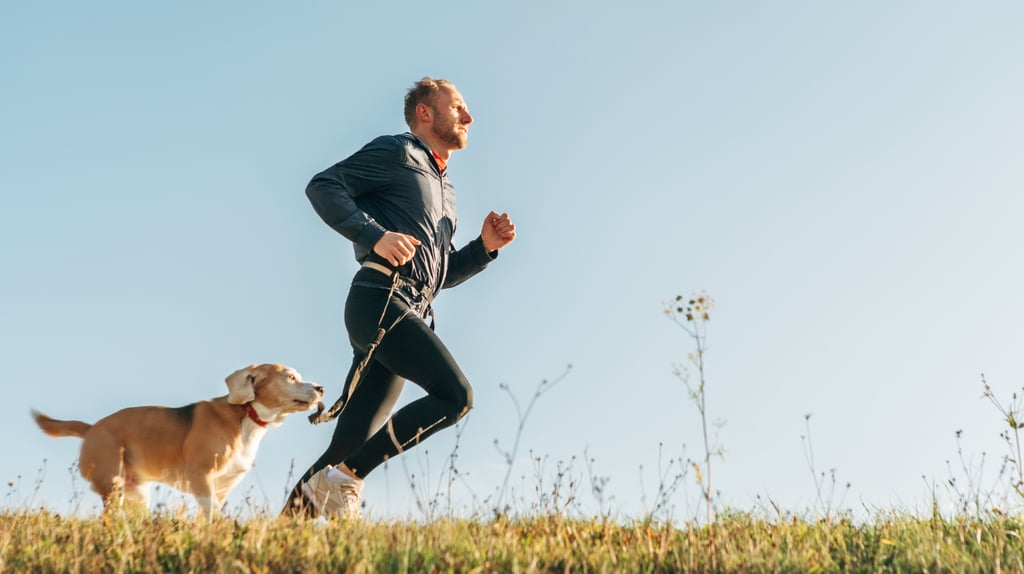
Did you know that working out with your dog doesn’t just keep you both fit — it actually changes your brain chemistry?
When you move together, you’re not only sharing time; you’re triggering a powerful chemical cascade that makes both of you happier, calmer, and more connected.
Let’s break down the science behind why.
🧠 1. It floods both brains with feel-good chemicals
When you exercise, your body releases endorphins — the same “feel-good” neurotransmitters responsible for the so-called runner’s high.
Dogs experience a similar endorphin surge during physical activity, which explains their post-walk wagging euphoria.
In a 2024 study published in BMC Public Health, researchers found that owners with stronger emotional attachment to their dogs showed higher levels of physical activity — and those shared workouts translated into better mood, more motivation, and less anxiety.
💞 2. You both get a boost of oxytocin — the “bonding hormone”
Physical activity, eye contact, and synchronized movement with your dog elevate oxytocin, a neuropeptide that deepens attachment and trust.
This “love hormone” is the same one released when mothers bond with newborns — and yes, science confirms it rises in both species during shared activity.
A 2022 review in Psychiatry Research showed that oxytocin release during human-dog interactions reduces cortisol, the primary stress hormone, promoting relaxation and emotional stability for both
⚡ 3. It stabilizes dopamine and serotonin — your natural mood regulators
Consistent, moderate exercise is known to increase dopamine (motivation and pleasure) and serotonin (mood and emotional balance).
When paired with the companionship of a dog, these effects are amplified — because the brain associates the activity with social reward and positive reinforcement.
In other words: the simple act of moving together trains your nervous system to associate exercise with joy instead of effort.
💓 4. It reduces stress at a physiological level
Petting, walking, or playing with a dog leads to measurable reductions in blood pressure, heart rate, and cortisol — the body’s built-in stress response markers.
A PLOS ONE study using EEG monitoring found that interacting with a dog increased alpha and beta brain waves in humans — patterns linked to relaxation and sustained attention.
For your dog, synchronized activity with you also lowers heart rate variability and builds emotional security — the canine version of mindfulness.
🦴 5. Shared movement strengthens trust and communication
From a behavioral neuroscience perspective, dogs are hypersensitive to human cues — rhythm, tone, and body language.
When you exercise together, your dog learns to synchronize with your pace and energy. This repeated coordination builds neural mirroring, the same phenomenon observed between parents and infants.
That mirroring deepens the social bond, improves mutual understanding, and turns exercise into a shared emotional language.
How to apply the science — even indoor
Routine matters: The brain thrives on consistency. Try 15–20 minutes daily — outside or on your Ohlo treadmill — at roughly the same time each day.
Stay close: Your voice, scent, and movement amplify oxytocin release for your dog. Keep sessions interactive.
Mix intensity: Alternate slow walking and brisk jogging for both cardiovascular and neurological benefits.
Celebrate completion: Positive reinforcement (praise, treats, endorphin rush) reinforces the neural pathway of “exercise = happiness.”
🔬 Sources
ohlo
Caring for your pet's fitness and happiness.
© 2025. All rights reserved.